Google
 

Monday, July 30, 2007

Knock knock to brazil

We made it into venezuala two days ago and the change has been big. Different landscape, different attitudes, perfect roads and cheap gas!

It is amazing what 10 cents per gallon for 95 octane unleaded plus some twisty curves can do for ones inner motorcycling psyche.

We are in BOLIVAR about to take a 3 day trek to Angel Falls the biggest (by height) waterfall in the world. Named for johnny angel the american gold prospector who got his plane stuck on the top of the tepuis there.

Definitely a second rate police state here with checkpoints all over checking our passports, and even having to give our passport number to buy a $5 lunch with cash.

Did I mention the ten cent per gallon gas????
Sent via BlackBerry by AT&T

Saturday, July 28, 2007

Back to the north

We passed the meridian yesterday stopping for a photo. The first time our bikes had been north of the equator in many months.
It was a day of firsts. First sloth we saw on the road, first time we saw five people on a 125 motorcycle (twice!), and in Boa Vista first time I saw a woman walking around naked from the waist down in public.
The highway was so bad with potholes that they dislodged by backpack and handlebars. My bars kept getting closer and closer to the ground until I finally had to start humming the War song "lowrider" to myself and hoping the bars wouldn't loosen to the point of flapping freely. I would have fixed them but the mounting bolts are a reverse six sided star bolt, the only ones on the bike and I knew I didn't have the socket.
An extremely friendly crew at the honda shop not only straightened me out, but found us a discounted hotel as well!

On to vevezuela today, hoping to run into boston city councilor felix arroyo who spends more time there than he does chairing his own committees.
Sent via BlackBerry by AT&T

Friday, July 27, 2007

Miles and milestones.

Today was another milestone day for us as we broke our previous one-day record and rode over 480 miles to get from Manaus to Boa Vista.

The plan had been to break this ride up into two days, starting yesterday, but yesterday didn't go quite as planned. You see, after taking care of some business in the morning and having a hearty luncha, we left Manaus ready to drive some 150 miles or so to the edge of a Waimiri indian reserve that can only be crossed between 6am and 6pm. We would get there and camp out near by, wake up early and ride the rest of the way to Boa Vista.

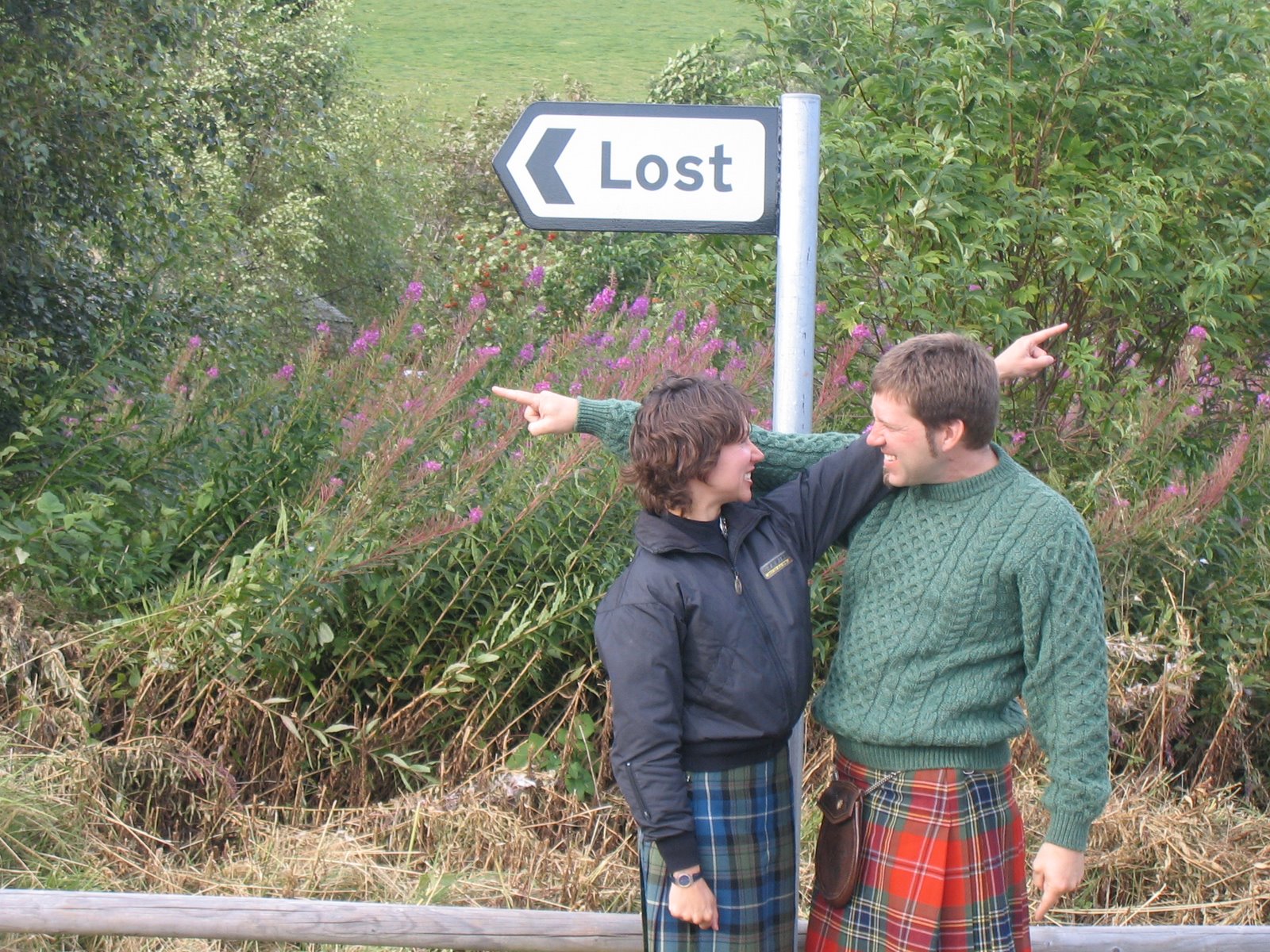
But, unbeknownst to us we failed to make a crucial (and unmarked) left turn right as we left the city limits of Manaus and as a result we ended up driving about 100 miles west, when we were supposed to have been heading north. We only realized our mistake when we stopped at a gas station in a nowhere tiny town and the attendant, a woman in her sixties dressed in a full skirt and blouse with a face lined and wrinkled like a tree bark, one line for every day of hard work she has endured. She took one look at us and decided we must be lost because we just looked so out of place and travelers like us just don't happen to visit this part of the world. So she asked us where we were headed, I said Boa Vista thinking that she would tell us that we were not far, but instead she said, "ah si, va par la" pointing in the same direction we had just come from. When I told Kevin what the wise lady had said, he said "no, she that's not right" and he turned to her, pointed to the same road (going in the opposite direction) and said "Boa Vista?!" as if to correct her or change her mind, and she looked right back at him and said "NO, Boa Vista va par la" and with that she made her point. We had no option other than to turn our dazed and confused selves around and retrace our ride on the road back to Manaus, and to make matters worse we were now in a race against the sunset!

We rode fast and furious for a couple of hours until it finally got dark. Then we slowed down the pace considerably for the sake of safety. We finally made it back to Manaus around 7:30pm. The only hotel visible for miles was a sexy time motel so we elected to stay there. We went to have dinner at a churrasqueria near by, wanting to have a delicious steak dinner but alas, the churrasqueria had no steak so we ate the local specialty: "franginho de leite", a deliciously roasted whole young chicken. After dinner we went back to our motel and turned in for the evening wanting to erase this wasted riding day from our memories and knowing that the next day would be a challenging and long one.

Today's milestone ride called to mind other milestones that have occurred in recent weeks. First, I have stopped wearing my thick leather riding pants every day. Because I have not fallen or dropped my bike the whole time we've been in Brazil, I made the executive decision to either wear or not wear my pants according to the weather and the ride for the day. Kevin protested at first, saying that if anything happens to me he will be held responsible by my mother (and he's right), but he agreed that my riding has improved greatly and therefore I should be able to make this decision. In fact, I do feel that my riding has improved quite a bit. I no longer fear making u-turns, I can comfortably start and stop from inclines, my heart doesn't race when I see a dirt road or a road full of pot-holes, and as I mentioned before, I have not dropped my bike in over two months. I am getting more and more pure joy out of getting on my bike each day and riding as I feel that my bike and I are finally becoming partners instead of adversaries.

Wednesday, July 25, 2007

6 Days on the Amazon River


(Note: There are a bunch more pictures of the Amazon below this article, so please scroll down!)

We left Belem on the Rondonia, a 200 or so foot steel catamaran in pretty blue and white. We splurged on a private cabin, as it was only about 50 dollars more apiece than a hammock on the lower deck, open to the air with public bath. It proved to be the right choice, as long hours watching movies, reading and working on the computer in the cooler climes of the double bed gave ample empirical evidence of a wise decision.

We were joined on the boat by our American friend Dave who has been traveling solo 2.5 years south of the border on his Suzuki V-Strom who also opted for a cabin, even negotiating a better rate than we did. Another advantage of the cabins is a private dining room serving slightly better fare, for example fresh fruit in the morning as opposed to a piece of bread and coffee for the hoi polloi.

Our last day in Belem was spent doing typical Brazilian things. We showed up at 9 a.m. as instructed, to put our motos on the boat for the 6 p.m. launch. We waited around 3 hours, anxiously looking at our watches as we were due at our friends house for a 12:30 goodbye luch. Our local friend showed up and greased the way with a $10 dollar bribe of the man in charge of loading our boat, and we rode them up and in to the hold, to the anointed place. The ramp was made of a beautiful piece of wood worth a couple hundred dollars at least in the USA. It was hardwood, perhaps mahogany, about 20 feet long, 2 inches thick and about 14 inches wide with nary a knot in sight on either of the two twin boards. Our boarding was followed by a mammoth longshoreman of girth to rival the largest of the Amazon trees driving a mini car up the same ramps. At the precipice the front wheels dangled over the front lip of the board while the car got caught up with the angle and weight of the human cannonball. The engine was gunned, a push was given and the car lurched forward and as the rear wheels left the ramp the bumper caught the wood and a loud crunch was heard, plastic pieces split in various directions, and the gazes of the boat workers did the same all pretending not to have seen anything.
What we saw convinced us not to let others load, move or touch our bikes any more than possible.

We headed off to a fantastic home cooked lunch, where we were joined by our hosts, their grandson who is in medical school and Dave. Discussions of medical treatments in England, USA and Brazil prevailed, along with discussions with the problems and advantagages of our host country. After receiving presents of Caipirinha glasses and decks of cards for the journey, we set off back towards the boat, enjoying a street side ice cream cone to offset the heavy heat.

We stopped at the Theatro de Paz, the “Theater of Peace” built in the 1880’s after the conclusion of the war with Paraguay and which had recently undergone a gorgeous, respectful renovation. It was a large Opera house, with 4 balcony tiers, gorgeous paintings on the ceilings and walls, in an oval shape. The building had huge anterooms outside on both side for smoking. They were rectangularly shaped, covered as inside the footprint of the building with 25 foot marble columns supporting the roof structure. However, the most magnificent part of the gorgeous building was the ballroom between the front balcony overlooking the adjoining park and the main theater floor. The ballroom was the width of the building and about 40 feet deep with 3 story ceilings halved by a continuous balcony overlooking the dancing floor. And what a floor it was! Divided into three sections all of native hardwoods, separated by unique inlaid borders. The middle of the floors obtained a three dimensional affect of overlapping squares by using dark and light woods, angles and a lighter shaded brown wood that have the affect of a shadow where two squares would overlap. Magnificent thought and workmanship! The two side floors alternated dark and light boards in angled striped patterns that mirrored each other, appropriately reflected in gilded French mirrors of height and width appropriate to such a room on each of the walls not divided by glass doors leading in or out of the building. The front deck was large and sunsplashed, lit in the evenings by corner statues of the female personifications of the sun and the moon holding appropriate torches. This was all overseen by the busts 15 feet up the main wall of the buildings of the four Gods of Theater: Tragedy, Comedy, Music and Poetry.

All and all, it was one of the most beautiful buildings, and certainly had the most beautiful floors, of the entire trip so far. One is often tempted to say in such instances that “they don’t build them like this anymore” or that “no one can afford to build like this anymore” but it simply isn’t true. This building was a poignant reminder of what peoples and societies can do when they are not at war. In this case as soon as the War with Paraguay was over they had the money to build this beautiful building. What could the USA or the world build, if it wasn’t spending a billion dollars a day in Iraq? It is a question that haunts this trip as the low value of the US dollar is a constant reminder that the world does not have much confidence monetarily in a country that gets involved in foreign wars financed by debt for unspoken reasons and more dubious benefit.

We walked back to the boat, bought some $1 DVD’s and last minute provisions to make it to the boat by the 6 pm scheduled launch time. We discovered the lounge area infested with a swarm of African Bees who had been housed in a speaker. They used the same tactic was had learned in Panama of turning off the lights to calm them. An hour or so later the beekeepers arrived with full suits, flaming torches and spray killer. Thousands died in a matter of minutes, and just like that the crisis was over, the music and beer again started flowing. The finish to our Brazilian day of delay, bribery, hospitality, splendor, bees and heat was sitting around for hours waiting for the boat to leave. The Captain told us that he was waiting for the tide to be high enough but this seemed to be the typical white lie told to overly inquisitive tourists, when after loading the products of the last truck onto the ferry, we set off at 11 pm despite the lowest waters of the day.

The next morning we woke, refreshed and ready for what would be our standard fare of watermelon and papaya or pineapple, with bread, cheese and meat product one is best not to inspect too closely. Later in the morning we got our first glimpse of Amazon life and custom. Children as young as 4 or 5 up to teenagers, sometimes with their mothers, would row out to our ferry in dilapidated canoes of dugout tree trunks and the passengers would throw them gifts wrapped in plastic supermarket bags. Food, toys and clothes were thrown down to waving hands; the givers and receivers knowing nothing of each other, never to meet, just a show of generosity of those better off to those not as fortunate with no contact with the outside world other than these passing mammoth ships and an occasional provision boat. What is amazing is that a citizen of the G-8 would never guess after looking upon those in the lower decks, who seem to have their life possessions in 3 or 4 boxes, as the type to think ahead to buy things for strangers. But such is the way of life in Brazil where kindness to ones fellow man is a way of life.

This went on for a couple hours at least as we wound through the narrow channels that would lead to the main Amazon River. Narrow is really not a correct adjective, as the river was around a quarter mile wide during this part of the journey, but it paled to the miles wide river upstream. There was a kid of about 6 with his dog, expertly rowing; pairs of sisters rowing and bailing to get close to the ship; or teams of 4, mother with small child waving and using the cute factor while two older siblings would propel and expel all working together in hope of some unknown goodie. The most adventurous boys would row right up to the boat and with an ingenious but simple metal hook with rope through it would attach to the tires on the side of the boat and surf along for fun in our wake. Some wouldn’t quite make it and would miss the boat and even capsize behind us, never to their peril, just the wet consequence of not completing the task. Later down the river vendors would use this same hook and rope tactic to sell fish, limes, and other things such as aripa a grainy, thick Brazilian drink made from a local fruit.

We fell into the routine over the next several days. Breakfast at 7:30, sleeping, reading and lounging till lunch which is the main meal of the day, made up of rice, beans, and usually a meat dish occasionally with salad which was repeated at dinner around 6 pm. The food was reasonable if not original. In the afternoon we would sit on the deck for awhile observing the muddy Amazon and the trees and flora on either side passing by around 6 mph. The boat would usually stay closer to one side or the other as the roiling current is strongest in the middle, often just 100 yards away which would afford a good opportunity to view the unending jungle.

Every so often a house on stilts would appear made of simple wooden planks just onshore, or perhaps on a bay or “igaripe” which are the streams that cut through the land. It seemed about half were occupied and as many more abandoned. The people lived from the river and the fruits of the forest. We would see them in their leaky canoes, checking lines or putting out nets for the daily catch.

What was most surprising about our trip was the lack of traffic on the river. We would go long stretches without seeing another vessel, even tiny fishing skiffs. We would only pass a few barges with containers a day, and a handful of smaller passenger vessels. This is truly an untapped part of the world, incredible for the potential of the area and its natural resources.

We stopped in a few nondescript ports such as Santarem and Pintiras. We would just get off long enough to buy some ice cream and snacks, if anything, as the heat and unimpressive buildings would diminish hopes for more thorough exploration. The time would be passed by reading, movies, limited time sunning or exercising on the upper deck where the heat and sun were delightful but strong. I learned and played dominoes with the local men and boys, and a quick game of chess was a one-timer after the best of the locals was destroyed in the first match. Of the foreigners on the trip, I was the only one who really spent the time to talk and play with the locals. As always, barriors are broken without words, smiles abound and bonds are made between people, countries and cultures. Amazing what a simple game of dominoes can do! The children are so inquisitive when hearing me speak in English, and often get a look of wonder on their face before asking me questions in Portuguese! They kept asking me to play with them, and how could I refuse? The crew was very friendly, getting us a bucket of ice after dinner so we could stir up some home made Caipirinha’s….Delicious!

We spent some time with some English backpackers on their way to Columbia, trading stories and MP3 music collections with a Texas hold’em tournament on the final night. Yours truly won the tournament played with the high stakes of match sticks and bon bons. Afternoons and evenings in the open air lounge were filled with Brazilian music either from cd, dvd or with a live singer on keyboard. They were all equal parts loud and bad, and served to limit ones time in the public spaces.

I took the time to read a book, Voyage Up the River Amazon, written in 1846 by an American Naturalist from New York, W.H. Edwards. I was struck by how little had changed in 150 years, other than the increase of people in the cities and the addition of motorized river traffic. In fact it almost seems as if the number of farms and sitio’s has decreased on the river as he describes it. Most interesting is his synopsis of what is keeping the Amazon from becoming the economic powerhouse it should be: wrong taxation especially import and export fees and weak government. Those issues are still at the forefront today, as Brazil can be very expensive despite abundance of materials and labor. Things should be cheap but people use the opportunity of foreign travel or travelers to buy them basics such as tennis shoes. Why start an orange or banana plantation here, despite the cheap land and cheap labor, and be taxed to the point where your product is as expensive as something grown on the coast of Central America or California?

In a couple of the ports, around sunset, we were lucky enough to catch fresh water porpoises frolicking about, chasing fish, swimming upside down and generally seeming to enjoy life to the fullest. Most of the wildlife we observed was birds of all feathers, from Kingfisher nests on the side of red cliffs, hawks riding the warm winds, to tiny multi colored birds skimming the water for food in swirling flocks. Almost all of the trees are green, without flowers, with the occasional dead tree or the stark species that drops all its leaves and leaves behind its drooping red fruit for the birds and insects.

We are now almost to Manaus where the dark Rio Negro meets the muddy Rio Solimoes
to form the Amazon. The two rivers run side by side in the same channel for 6 miles, the waters not mixing until further down the confluence. Manaus is the city that was the Paris of the Amazon in the 1880’s during the rubber boom, with one of the most beautiful Opera Houses in the world. Today it is a worn down city of over a million people, home to manufacturing everything from soap to Honda’s, brought here by tax incentives to try and provide some economic spark. Our ferry is almost a day behind schedule at this point, and we are packed up and anxious for land. It has been a calm and tranquil passing, very relaxing with chance to catch up on sleep, reading and writing, and to get a sense of the immensity of the Amazon, truly the lungs of the world, slowly, steadily calmly roiling its way to the ocean.

Amazon Pictures, continued....

Here are pictures with the Captain, Kevin with an Amazon Butterfly his new special friend, scenery, and of course the beekeepers with the flames to wipe out the African bees!


More Amazon Pictures


We have here a picture of Kevin demonstrating how to protect your face and run when being attacked by killer bees, loading our Austrian friend Alberto's bike onto a ferry on the way to French Guyana, Kevin and Clara on the top deck, and some Amazon kids in their tree trunk canoe latching onto the ferry for a joyride!

In the middle of the Amazon

Wednesday, July 18, 2007

On the good ship Rondovia!

We are onboard the large catamaran Rondovia for our 5 day trip to Manaus. As we wait for the tide to come in so we can leave, we are waiting in the covered bar watching a thunderstorm roll up the river. The music is cranking local tunes but no one is on that side of the ship.

Why you ask?

Abeyha Africanos. That's right, our friends the killer bees seem to have made a home inside one of the speakers and by the looks of the way they are swarming they don't like the music any more than I do. The crew is battling them with hundreds of casualties on the dance floor, and two swirling around me now.

For those of you wondering of our travels and if we are alive: yes. Although we were in Sao Paulo flying on monday, and we were on the same type of Tam jet flying into Sao Paulo last week we weren't on THAT jet. The air system here really is messed up but no one complains and everyone is friendly.

We are joined on the boat by our american friend Dave who is on a Vstrom. He has had 4 dates with 3 girls in 24 hours (scoring twice) and hasn't slept in 36. His advice to single guys in Brazil is to kiss the girls within 5 to 10 minutes of meeting them. Before someone else does!

We got up early to get to the docks at 9. At 12:30 our local friend Alfredo bribed the longshoremen $10 to let us ride our bikes up the plank so that he could get us to his house for a delicious meal. As he said "that is Brazil!"

Things are slow and tranquillo, with everyone only too happy to take a break and enjoy a cerveza or a caipirinha.

I will try to get pictures of clara steering the 200 foot boat up the river tomorrow as she has already charmed the Captain.

Land Ho!
Sent via BlackBerry by AT&T

Tuesday, July 17, 2007

Amazon adventure awaiting...

Today we booked and paid for our boat trip up the Amazon river to the city of Manaus. We will be loading our bikes on the ship tomorrow at 9am sharp. We got lucky and were actually able to get tickets for one of the better ships on the Amazon, and Kevin splurged on a private bunk cabin for us - with AC!!
The "Amazon cruise" will last five days and will hopefully provide an opportunity to see unusual flora and fauna, although from what we hear, all you really get to see is lots of water. We did stock up on some goodies and books, but we did not end up getting Pringles because, much to my surprise and chagrin, they cost about $8(US) here and even I cannot justify paying that much for delicious junk food.
We know it has been a while since we´ve posted pics, but I think this up-river trip will help us end the dry spell...
We´ll see.
Besitos.

Thursday, July 12, 2007

We reached Belem!

We have reached Belem, a city of 2 million at he mouth of the Amazon River. We are staying with the amazing Alex who has a bike shop and is the friendliest and nicest guy in town. We have met a bunch of his biker friends who have treated us to dinner, shown us around town, held a wine tasting and disco DVD watching party, and helped us to do maintenance on the bikes.

Changed the oil again. We are getting ready to find a boat to take us 5 to 7 days up the Amazon River to the City of Manaus where we will head north through the Amazon jungle.

It is hot, sticky and the poverty and disorganization of the north is very different from the south. We really enjoyed the Beach at Sau Louis, and the music of Salvador. We raced at 80 mph without stopping through a notorious 200 miles stretch of road through scrub desert that is known for highway robberies. One brazilian guy we met got shot in the foot for not giving his motorcycle up to a gang of thieves. An American we met got held up by revolver in Sao Louis (you shouldn't be walking the streets at night a 4:30!) but we have not had any problems of the kind, but there are some incredibly decrepit areas of these cities, where you see preganant women begging on the streets, young children without shoes asking for food, etc.

We are looking forward to the boat trip, stocking up on books and pringles, we'll see how it goes!

Wednesday, July 4, 2007

Happy july 4!

We are in the tiny town of Capanema, about 100 miles from Belem, our port destination on the Amazon. It feels really good to be almost there. We have traveled about 2500 miles in 9 days from Rio (including a record of more than 400 yesterday because we couldn't find a hotel for 90 miles!)

Brazil is Big! Friendly, Green and hot!

We enjoyed a day on the beach in Sao Loius, and 2 days in Salvador listening to the music and seeing the old churches.

Although we are really looking forward to the Amazon (and I am thinking of trying to slide into Guyana for a time) it feels as if our long journey through South America is nearing its end. It seems odd to say that because we will be here probably another month, but once we get on the boat and start chugging up the Amazon there will be no turning back.

To our US friends, enjoy the 4th and remember those most important of words "we hold these truths to be self evident, that All men are created equal"

By the way, it appears as if clara's one woman quest to fill a trophy case of south american animals now includes a large Anaconda. Of course, I let her know that my anaconda don't want none unless its got buns hun!
Sent via BlackBerry from Cingular Wireless

Friday, June 29, 2007

Hay Corumba!!!!!

Here is Kevin identifying the City of Corumba on a map of the Pantanal
"Hay Corumba!"


After leaving the Foz de Iguazu we headed northwest towards the southwest part of Brasil, if that makes any sense. We did a long but easy 312 miles through fields of corn, corn, beans and more corn. It was a Thursday, Corpus Christi Day in Brasil, and all the stores were closed except a few gas stations and eateries. On Corpus Christi Day many humans go out to big religious parades with yellow flowers and colorful processions. The insects on the other hand know it as “Invade Kevin’s Helmet” day.

We were regaled with bugs all day, flocks, swarms and individuals. For some reason the wind current seemed just right, perhaps a 10 mph or so up current, to push the bugs just over the lip of my windshield but not high enough to put them over my helmet into my slipstream, or a bit lower to splat on the Taiwanese agro-design on my helmet, but just right, straight into my open face shield. Of course, my sunglasses had disappeared that morning from our hostel so I was wearing Clara’s tiny sunglasses which allowed for more epidermis area for the bugs to aim for. I was bombarded by groups of tiny gnat like things, pinged by big black hard beetle-ish types, and one wasp of the close encounter with my ear kind. Luckily it seemed that his negotiators and my negotiators worked out a mutual non-aggression pact while he was buzzing in my hair, and I was smoothly but frantically pulling over as fast as I could. While I was stopping I could feel the chemicals of his sting gently rubbing and irritating my skin, whether this was psychosomatic or not, I’m not educated enough to know, But I Felt It! Upon my stopping I gently removed my helmet where sure enough he was in my lining. I carefully removed the yellow native by the wing and let him fly away. I am a full supporter of using all the avenues of diplomacy before resorting to foreign wars!

We arrived in Dourados around dusk and headed to the gas station to fill up. As we were completing our transaction a man with woman and kids in his pick up truck pulled in, got out of his truck and came excitedly over to talk to us. Through the language difficulties, he essentially said “where are you staying tonight”, when we answered that we were looking for a hotel, he said “you wait here, I will be back in ten minutes and you will stay with me. I am from Brazil Riders.” Um, Ok!??!

So we waited. Clara took mental note of his license plate and whispered “we’re going to die.” I smiled and got out a rag to wash the aforementioned critters off our bikes. Sure enough, 10 minutes later Edson Luiz O. Abovalo, known as “Edinho” local chapter president of Brazil Riders (brazilriders.com.br) came back to collect us, where we followed him to his parents beautiful home in town just a short ways away. Behind the security door was a driveway with private courtyard, porches opening up to it, with a Honda 200 decked out in transport attire waiting eagerly for the next ride. There was also a beautiful home with granite steps, home office, leather furniture and two adorable dogs.

Edinho introduced us to his girlfriend and gave us his room, which was more of a suite with walk in bath and shower. We offered to take him out to dinner, but he insisted on having a churrasco (brazilian bbq) on his wonderful outdoor electric spit and he quickly invited all his acquaintances over. Soon the house was filled with aunts, motorcyclists, cousins and a journalist from Dourados News who interviewed us and took pictures of the whole group, our bikes, and combinations thereof. The language barrier was hard enough for Clara, extremely difficult for me, but after we and the gang started enjoying some delicious roast meat and pork, special made carretero, and especially muchos Antarctica beers the conversation, smiles and jokes flowed smoothly. Interestingly they thought that the Argentineans were the most fanatical about futbol, although I made the correct choice when deciding that Pele was better than Maradona. We exchanged gifts: us spreading the New Orleans cheer with glass beaded necklaces from Mardi Gras, and they giving us a soccer jersey and very cool Dourados Motorcycle Club stickers for our panniers.

Clara was amazed at the hospitality, being a relatively new biker, but I soaked it in as I had full confidence that nights like these would be found on our trip. Events like this vindicate for me the thought that the world is full of good people, who can always find common interests (beer, babes, bikes and ball!) and want to share their good fortune with others. It seems that motorcyclists in particular are very accepting and helpful, evidenced by the people from around the world we’ve already met on our trip who have lent a hand, a kind word, information, or a home to. At the end of the evening Edinho got on the Brazil Riders website and sent a message to everyone in Brazil letting them know that “the Americans are coming, the Americans are coming!” and to help us out along the way. We’ve only been in Brazil a few days but the helpful, relaxed, friendly, self confident atmosphere is infectious.

The next morning Edinho helped me find some replacement $5 dollar sunglasses, showed us around town on his bike, gave us both Dourados MC T-shirts, and escorted us to the roundabout on the way to the next town. A true gentleman whom we tried to get to commit to come to Boston so we could repay the hospitality; I hope our paths cross again someday.

That day was a short 150 miles to Camp Grande, the capital of the State of Mato Grasso de Sol and the jumping off point for the Pantanal. For those not as fluent as I in Portuguese, Campo Grande means “Big Campo.” The Pantanal is a vast flat land, a unique ecosystem about half the size of France which floods every year, and is full of plant and animal life. It is mostly in Brazil, with parts in Bolivia and Paraguay as well.
The three Brazilian cities of Campo Grande, Cuiaba, and Corumba form a triangle around the area from which most travelers use as a base. We made arrangements to meet our guide and transport about 200 miles along the road from Campo Grande to Corumba, which is on the Bolivian border, the next day at noon.

For the last 6 weeks or so Clara has been trying to get me to work on a particular aspect of my Spanish. Whenever I would ask for directions to a bank, for example, I would have the tendency to say “Es un banco?” which means “are you a bank?” Usually the poor soul talking to me would understand me which only reinforced my habit. Clara has been castigating me to use the correct term which is “Hay un banco?”, translated “Is there a bank?” (“Hay” in Spanish sounds like “aye” or “hi” with a silent H)
This language puzzle (pronounced Puzz-Lee by a certain Peruvian guide) became clear to me the next morning. We woke early to make our rendezvous on time and were on the road by 8 a.m. As we cruised down the mostly straight highway built up about 20 feet from ground level because of the flooding and often lined with nice trees on either side, I had time to contemplate. Around the time that two beautiful Toucans flew by, the funniest joke since the “knock, knock….Exactly” repertoire unfolded itself before me. The correct way to ask the direction we were going was to say “HAY CORUMBA?!” I almost couldn’t wait to stop at the gas station to fill up, and I was secretly happy that Edinho had warned us to stop at every opportunity to get gas because fuel is few and far between here. I was snickering under my helmet and practicing my straight face so as not to tip Clara off at the impending unleashing of such a powerful double entendre.

Sure enough, 100 miles down the road we found a gas station with a young woman and a short wizened older man. After filling up, exchanging pleasantries and answering some questions about our motorcycles to their adoring and amazed eyes, I looked down at the map on my tankbag, pointed down the road and clearly, strongly asked and exclaimed at the same time “HAY CORUMBA?!” to which the old man happily answered, “Si, Si Senor, Corumba es 300 Kilometres.” It worked perfectly! I looked over at Clara but for some reason I didn’t see the “positive reinforcement for using the language properly face” but instead seemed to get a sort of blank, rolling the eyes face. I wasn’t completely surprised, because in my experience sometimes Columbian women have a hard time understanding good humor.

I have also found it is best practice to repeat a joke as often as possible to try and get the Columbian women to understand it. So, whenever the chance arises I am sure to look to the west and question “Hay Corumba?” Whether it is in the back of the truck with the farm workers, or after dinner while looking at the map on the wall, in this part of the country there are nods of understanding from the locals about the importance of “Hay, Corumba.” Next time you see Clara, I’d appreciate it if you point towards this latitude and see if she remembers the fond memories here.

Saturday, June 23, 2007

More Brazilian Friends, and proof we were here!

Sunset over Rio, with Copacabana Beach in the background


You don't get that kind of shake with your dinner in Boston!


The proof we were in Rio, the beautiful Christo overlooking the city, with the beautiful Clara overlooking Kevin.


Our retired Marine friend Carlos, who is a friend of a guy in Belem, who put up another motorcyclist, whose post we read on HorizonsUnlimited.com, took the day off to show us around Rio! The Brazilians are wonderful!


Pictures, friends, Brazil

A Trike picture for Raoul. We met these guys on the side of the road, and they were very nice. It seems almost every cool motorcyclist in Brazil has stickers from their local bike Chapter, and they love to hand them out to us! The tolls even have a special category for Trikes!


Kevin, tracking down and hunting wild alligators, barefoot!


Clara shows off her Pantanal Love Tattoo


Clara makes a necklace from a plant and an Alligator tooth

Our Friends Like to Watch

They smell the chum...


For all of you requesting more pictures, and less words....

here is Clara with a Paranha!!

Thursday, June 21, 2007

No fun in rio

Clara and I are having no fun in Rio.
We are not having any fun at the beach in copacabana. No fun at the all you can eat seafood and steak house. No fun at all seeing sunset from the top of the mountain overseeing the city.

Hopefully we will have some fun soon.
Sent via BlackBerry from Cingular Wireless

Tuesday, June 19, 2007

If you're bike doesn't look like this, you didn't really enjoy Ecuador!


Technical Notes

We are on the high speed boat from Buenos Aires to Colonia, Uruguay after a harrowing day getting our bikes back from the BMW dealership, paying for some antique lighting we found for the Big House, checking out of our hotel and getting a document notarized for Citibank since someone has stolen my credit card number and has run up some tremendously unquthorized phone bills in Australia.

In other words, it is a great time to write some technical notes.

Both Clara and I now have more than 10,000 miles on our bikes. As I say, it is not just the miles, it is the Hard miles! Both bikes have performed admirably in their own ways, but at this point in the trip if I was to choose a bike for this journey it would certainly be Clara’s F650GS. It has the same distance capacity, maybe even a bit more, as she gets between 50 and 77(!) mpg. My R1200GS on the other hand gets between 40 and 55 mpg. For our German friends Tom and Christine whom we have spent much of the last week touring through Argentina with I calculated that my bike got about 19 kilometers to the liter, Clara got 26 kilometers to the liter.

I checked the oil regularly and changed it every 3,000 miles.

We just got our 15K service, some warranty work and new tires for the bikes. My bike got two new Bridgestones at the inflated BMW price of $200 dollars apiece (we checked at a local bike shop and good tires could be had for $70). New filters everywhere, a nice bath, and the reason we bought BM’s as they are known to the brethren, excellent warranty work. The roads of Bolivia were unforgiving. My rear shock was completely gone. If there is a Guinness World Record for 1000 miles of pogoing across the Pampas of Argentina, I hold it. My rear mudguard sheared a bolt and fell off somewhere on the “highway” between La Paz and Uyuni, unbeknownst to me. After some help from BMW Northamerica all of these items were taken care of, in the time that they said, and with a welcome Argentine Smile. My air filter was full of sand apparently, and my rear tire had sustained a flat due to the Big thorns stuck in the road by the farmers in Peru. That hole had to be plugged three times on my journey to Argentina’s capital. They also put a new rear taillight in, which has taken the warning light off my instrument cluster, but I fear not for long. I don’t think they did the real analysis or computer modification necessary for the correct current, voltage, or bit which has infiltrated my electronic innards. We will see, but I’ve gotten used to the warning light on the dash after 8??? miles of staring at it.

Other than that my bike is fine. It is definitely big and heavy on the dirt road riding, which isn’t helped by the panniers and backpack I’m carrying. The bike is solid, smooth, and comfortable. It appears to be burning a slight bit of oil, but with the few thrills and spills I’ve had, it maybe a bit hard to tell for sure.

Clara’s bike needs a bit more attention and care, but is well worth it of course. We met 2 other Germans who have been around Europe, Asia and now South America who have about 60,000 miles on their two GS’s, and one is just now needing some more serious engine work. The single cylinder GS does vibrate a bit more and hence requires closer scrutiny when cleaning, checking and lubricating. Near the end of the road in Bolivia, I get out my hex head sockets and checked virtually every bolt on the bike and more than 80 percent needed a well deserved quarter turn, if not more.

Along the way, we lost the left side rear subframe bolt twice. Once in Guatemala, and a second time in Bolivia despite loctite. This time I added loctite and a split washer. The left rear turn signal nearly vibrated off at one point which discovered during a routine cleaning and fixed. The right front fork seal couldn’t quite survive an unseen ditch on the “highway” in Bolivia with me, two tankbags and the backpack along for ballast. The front tire also didn’t quite survive that road between La Paz and Uyuni and suffered an innertube puncture. The rear mudguard suffered some friction damage, whether cumulative or a one time incident we’re not sure. Of course there was also the well documented Miraflores, Nicaragua disaster which lost the pannier mounting bolt and needed to be welded: the new joint is holding up like a true champion. But, despite these things and the few thrills from the spills that have been nicely absorbed by the touratech panniers and the Acerbis hand guards, the bike is quite impressive.

Clara has no problem keeping up with me as we have cruised along usually between 60 and 70 mph on the real highways, but occasionally giving 80 a try. In fact she enjoys going fast, sometimes too much for my comfort! It handles the curves wonderfully, doesn’t burn a drop of oil, the chain and tires don’t wear much, and it looks great.

She has now added an Argentinian addition, cloth L shaped hand sleeves, which keep the hands protected from the wind, rain, snow or whatever the road and weather sends at you. They are like big mitts and you stick your hands in, not to be seen for the duration of your ride. She gives them a big thumbs up, although we only know by word of her beautiful mouth since we can’t see her fingers, thumbs or hands!

We have run 20W50 oil in the bikes. We have altered the air pressure in the wheels depending on road conditions from a low of about 22/24 in the dirt, sand and mud to a high of about 36/38 on long distance high speed roads. I have my suspension set on the hard side with high compression damping, and hard rebound. I have Clara’s a bit softer as she is not carrying as much weight, but she doesn’t seem to notice the differences much, although in the slippery, rocky stuff she appreciates putting the settings to soft.

Gas:

Gas has been different in every country. It has been from a low of 84 octane to up to 100 octane. Most of it appears to be leaded, and many places such as Brazil don’t even know what octane is. It was from a low of $1.50 a gallon in Ecuador to almost $5 a gallon here in Brazil. Brazil sells “gasoline common”, alchohol, and diesel. The alchohol is a mix of gasoline and alchohol from sugar plants. We ran the 84 octane in Ecuador and it knocked a bit, and definitely was down on performance but they ran ok.


I'm finishing this up in Brazil and my annoying rear light warning indicator is on again. And I've discoverd oil or grease at the back of my engine. Could be the old shock...I've cleaned it and am keeping an eye on it.

Things I've been warned about with the R1200GS. Two Canadians both had their solenoid switches go bad on them. The rear drive shaft needs to be drained and maintained at about 25,000 miles, it is not good for a lifetime. A Swiss guy in Bolivia on an Africa Twin told stories of having to replace the ignition module on a couple of friends GS's in Europe. They are supposedly sealed units that can fail when rain and water get inside. The procedure is hell, involving removing the front forks, drilling out non-removable bolts, etc. Apparently there is some sort of radio signal from the ignition to the bike which must communicate for the bike to run. My 1960 R60 is sounding better all the time...just follow the leads and check for positive grounding.

Monday, June 18, 2007

Ouro Preto

Two evenings ago we were sitting in the non-descript town of Passados thoroughly enjoying our first cairinha~s (not sure about the spelling) but it is a local drink made of fermented sugar cane. Two will get you tipsy. Clara had three! She slept well that night.

But, I digress. Clara commented on how we hadn~t seen any adventure motorcyclists in Brazil yet. I joked, "yes we have, we~ve seen tons of them from Boston." The truth is that despite going to the two biggest tourist attractions in brazil according to lonely planet (dont believe everything you read!) we hadnt seen any motorcyclist tourists, and very few non-southamerican tourists.

Sure enough, the next day as we rode towards Ouro Preto, the City of Black Gold, a gorgeous colonial city incredibly preserved with stone streets and numerous churches, etc. we were tracked down and passed by our new friend Bruno Santiago, a Brazilian who lived on the Cambridge/Somerville line for the last 7 years and just rode his bmw gs 1200 down from Boston. He bought it from the same guy we bought ours from. Tiny World!

We just spent the last 24 hours with him as he explained dishes in portugeese to us. We bonded with two other motorcyclists who warned us of the great dangers of the northeast, but then again Paul found great problems with using a digital camera! He actually had his bike stolen at gunpoint, and when he protested the 3 guys shot him in the foot! We explored an old mine shaft, saw a great museum in the restored tax mans building which is one of the most important historical buildings in Brazil, and traded much bike and brazil information with hopes to catch up later.

Probably be in Rio in two days, where shootings are rampant and apparently topless bathing is outlawed! Clara is disappointed!

Brazil has surprised us in many ways. Not surprising is how nice and friendly everyone is. The country of 180 million is clearly happy within its borders, not comparing themselves to others, or too worried about the rest of the world. There is fun, beauty, paradise and fascinating people and places to be found in this huge country. We have not seen the great poverty we expected, although we certainly do see shanty towns next to the highways. But, the land is clean even in the poorer areas, and the roads are good. We have passed over a 1000 miles of very fertile farmland which is orderly with crops in various stages of their respective cycles.

You could really fall in love with this place and spend muchu tiempo here, enjoying every day. The dollar is only half as strong as 5 years ago thanks to the strength of the local economy, and of course the weak George Bush Dollar. Our bikes are worth about 50,000 dollars because of the strong import taxes so we draw quite a crowd everywhere we go. And for Raoul, we have met two guys with great trikes, we will try and post pictures later.

Obragado!

Thursday, June 14, 2007

A week in the Pantanal, Brazil


Fazenda 4 Cantos:

We arrived at the correct place, Bouraco de las Piranhas, about half an hour before the correct meeting time of noon. There is a Ranger Station there and a roadside snack selling café.
We spoke to the Ranger who said there was gas 7 km up the dirt road and since we had time to kill we headed that way. I was being a bit too exuberant and got my front tire stuck in a rut and took a pretty fast tumble on the hard packed ground. My tires are now strictly street tires and combined with top air pressure I was essentially skating on dirt.
We slowed down the rest of the way, held our breath over some rickety wood bridges with no railings and missing pieces before the final assault over the River Miranda and about a two hundred yard long wood bridge which had railings, but also missing pieces and holes! We made it to the other side, jumped the gap between the bridge and the terra firma and made it to the gas station/restaurant/hotel to fill up on $5 a gallon fuel. They were very nice, and in awe of the bikes, taking pictures with their kids in front of the BMW’s, but they also offered to let us keep our bikes there while we trekked into the Pantanal at Fazenda 4 Cantos.

We went back to the crossing and waited with a local man and a woman who were also going with us to work on the farm. A while later, the proprietor of the snack shop called us over and said that Thiago, our contact, had called and said that they were having truck problems and would be 30 to 60 minutes late. So we enjoyed some chips with him and some other locals and discussed the tourists that visit there. Many come from Germany, Australia and New Zealand as well as the rest of the European countries. They said the Israeli’s are the most demanding, although Texans when they are drinking can be tough as well. Another while later, the Ranger from across the street came over and said that Thiago had called him and stated that they would be another hour. Knowing how these country times can go, we decided to drive back to the gas station, organize our stuff, and maybe enjoy a proper restaurant. We told everyone to have Thiago meet us there. Around 3 pm, he did show up. But not before we ate, took a nature walk, bought fishing tackle, saw some birds, explored the river, turned down a beggar and put our bikes in the back shed. Of course, what really made him show up is that we had become so bored that I decided to break our my tools and do some motorcycle work. As soon as I had opened my panniers, unpacked stuff and took tools out of my tool bag they pulled in. Works every time.

After some minor price haggling we headed up the dusty road in the back of an ancient 4 wheel drive diesel truck with rear bench seats into the Pantanal with Carlos our guide, Elton our driver and the two workers. It was not long before the amazing beauty of nature made us forget our troubles and wait eagerly for each new vista of this wild kingdom. The first encounter was with the Pantanal Cayman’s, or "jacare", which are basically miniature crocodiles, although anything that can get 10 feet long and eat cattle really can’t be considered miniature! There are between 10 and 35 million of them here and we saw no shortage of them anywhere there was water.
Over the next few hours we saw the following animals: giant otters, giant anteaters, two of the three types of local deer, water pigs which run in packs and look like hog sized beavers, two types of armadillos, a scurrying rodent, a far away tapir (very rare), wild pigs, thousands of the white cattle they raise here, and horses. It is hard to even fathom how many types of birds we saw, as there are over 650 species here, none of which are familiar to me, and many of them are quite spectacular visually, starting with the flying Toucans which are so perfect and colorful that they don’t seem real. The largest are giant Jaburu storks, the symbol of the Pantanal which have black heads, bright red necks white bodies and are 3 to 4 feet tall. During our time here we would see: two types of egrets; a snake necked comerant ‘anhinga’; woodpeckers; blue, red and yellow macaws, gorgeous pink spoonbills which are very shy; whistling ducks with their distinctive white backs; white herons; noisy parakeets; king vultures eating cattle carcasses; black collared hawks on the banks of the river; black winged stilts; southern screamers with their loud warning calls; and owls.

The sun set between six and seven p.m. with us having more than 5 more hours to travel. The guides decided around 8 p.m. to stop at a local ranch they were friendly with and ask to stay for the night, instead of risking getting stuck in marsh mud in the dark in the backup truck. Old acquaintances were renewed and the hosts gave us two hammocks in one of their two main rooms to sleep in. After checking the toilet for poisonous snakes, we used the combination outhouse/shower to clean up, before enjoying a well wanted delicious meal of fried chicken, rice and salad. It was a welcoming, standard but rudimentary ranch with no electricity or hot water, but a plethora of standard farm animals such as pigs, chickens, dogs and not so usual such as ornery parrots. The cowboys carried real six shooters in the bullet lined belts that held up their chaps, a reminder of the real dangers that exist out here.

We woke at dawn, piled into the truck and headed off, clear blue sky above and more dusty road ahead. We saw more of the same creatures wandering through the Pantanal which is now in the dry season. The plants and trees are all very green, with the occasional pink budded tree. The land is flat and the soil is basically sand. There are times when you will be between palms and trees flapping against the truck on either side and other times you will be in a vast open green grass plain with just two tracks cutting through it and trees off in the distant. The whole area basically floods in the wet season and everywhere there are the remains of that, with marsh areas filled with birds, caimans, frogs, water flora and tiny fish. The area is divided up into ranches called fazendas separated by wire fences that the wildlife can easily pass through but the cows can’t. We constantly stopped and started as we passed through the gates dividing the different ranches and cattle fields.

We arrived at 4 Cantos just before noon and were greeted by Christina and Ramon the owners. The house is beautiful with multiple arches looking over the lake in front, landscaped around the sides with fruit trees, palms, flowers and various farm accessories likes stables, coops and corrals. We had a snack before lunch before heading out on horseback in the afternoon to explore the area. We returned for a delectable dinner of pork, salad, fruits, pudding and more with everything wonderfully fresh. At the table we decided to go Piranha fishing the next day, with Christina being especially excited proclaiming that no one can out fish Christina in the Pantanal, happy to refer to herself in the third person in Portuguese. A full day excursion was planned, and we were so tired that we were in bed well before 9 p.m.

4 Cantos is a working ranch with around 2500 heads of cattle. Ramon Vilauva de Baros is around 86 years old, a native of the Pantanal, and still involved overseeing everything at his ranch which he has had for years. His wife Christina, in her 60’s, is one of those women who loves all things natural and has an exuberance for everything she does and is constantly making herself laugh. She has “adopted” many local animals including a blue macaw with a bum leg (Diana), a Toucan who sometimes brings her family by for an inspection (Pamela), and many dogs. She has a name for all of them, including the latest star of the show “Phillippe”. Phillippe is a giant anteater baby about three months old which the cowboys found next to his dead mother, killed by one of the local big cats probably a puma or jaguar. I’m not sure any human baby has ever received the attention that Phillippe gets from Christina, but he certainly acknowledges and appreciates it, literally jumping up and responding when she calls as he can pick out her voice among the cacophony of animals, workers and farm noises. He is amazingly cute as his soon to be vicious claws wrap around your finger and his super long cylindrical tongue zips out of his snout explores around your hand. She says that when he gets big enough she will let him free but at this point that is hard to imagine, the attention she gives him has the other animals jealous!

The next morning we started off early to get to the river. The truck was loaded up with cooking gear, a bunch of bamboo poles, Ramon and Christina, Elton and Carlos, and Clara and I. Along the hour or so trip to the river we saw more wildlife of course, including a pair of owls that mate in the dirt, and scores of beautiful pink birds _________ which are very shy and hard to get a picture of especially with an inexpensive digital camera.

True to her word, when we arrived at the picturesque banks of the river about 40 yards across with caiman on either side, Christina just about jumped out of the truck to organize the unloading and was first to put a piece of cut up pork on the hook and head to the shore and within a minute she had the first one! She would not let up over the course of the afternoon, and is a one-woman menace to Piranha stocks in Brazil! Luckily for Brazil there does not appear to be any lack of Piranha here that one woman could ever hope to liquidate.

Fishing for Piranha is about as easy as finding liars among big city politicians, and very similar in concept. You put some bait, such as pork, out there and wait about 2 to 13 seconds for them to do whatever it takes to grab it. Just like a politician. They both love pork. The only difference is that with the fish you need a bamboo pole about 6 feet long with an equal length of 30 pound test line tied to the end, attached to a wire leader not much thinner than a clothes hanger and a hook with some bait on the end. Just add water and you’re fishing! The only real problem is whether you can nab them before they’ve nabbed your bait; not to mention the delicate mneuvres needed to remove the hook from their nasty crunching jaws.

We divided up into two teams of 3 in the two communal flatboats on the side of the river and paddled around more for a change in the scenery than because any one spot was better than another. As long as you had bait the fish kept coming. Clara and Christina were the master baiters and each had a haul of big fish. Every time I would catch one tiny fish, Clara would catch two or three bigger ones with her Lucky Pole! I on the other hand lost 3 hooks due to fish biting right through the line, including the one time she let me use her rod! One of the local caiman swam over to investigate and was at first repelled by piranha attacking him. It was then that Carlos informed us that some years ago his grandfather was eaten by piranha while attempting to swim across a river to get to some boats, and this made his grandmother so distraught that she went crazy and sold their farm cow by cow for a pittance to any fool that would offer. The next time I had a fish on my line the caiman came over again and obligingly followed the fish around in the water guided by my pole so that Clara could take some close up photos. We rewarded him with the delicious fish which he snapped out of mid air when thrown past his chompers.

After a couple hours we headed back to shore and a grand meal was prepared. The fish were cleaned and scaled and cut with slits vertically to let the lemon juice marinade seep in. We had plenty of oranges from the garden at home, and fresh cut tomatoes and onions made a nice salad. The fish were fried in a huge cast iron pan over a deadwood fire. Piranha have many bones but the precut slits also allowed the meat to be easily peeled away and eaten. This was all done in a leisurely way, with hammocks finding their way onto trees in the shade and some of us enjoying naptime.

However, after lunch was done Christina was again ready for battle. She took her husband and Elton the paddler back out to the river. No prisoners were to be left alive, as she and her crew started bringing in fish as fast as she could. Clara and I lazily followed her, vowing only to keep the big ones. We caught a couple of Pacou, which appears to be a close relative of the piranha but without all the bones and hence more preferred for eating, and a couple more larger keepers while throwing away a number of tiny ones. Meanwhile, the other boat caught nearly a hundred fish all to be taken back to the ranch and used in various forms to feed the cowboys, in stews, soups and fried.

We cleaned up the site, the boats and ourselves and headed back home from a full day of fishing that exhausted and pleased all of us. We were even rewarded with a sighting of a swamp deer, the largest species here in the Pantanal, on our way home. Dinner was again delicious and bed was a delight to be found before nine.

The next days passed tranquilly as we relaxed and explored. We took a half day horseback ride to try and find a 15 foot anaconda which a cowboy had recently seen devouring a wild pig. Although we didn’t see him, it would be hard to call the trip unsuccessful as more wonderful scenery and wildlife was observed. We helped rustle some cattle, made necklaces of Caymans teeth and plant fiber, and played with baby alligators. We went on a night safari to try and see the elusive pumas and jaguars but ended up catching some foxes in the act, as well as various deer and fowl. Meals were varied, fresh and delicious which we eagerly responded to when called by the clanging dinner bell. Sleep was peaceful and calm, other than the first night when one of the dogs decided to howl for hours in the middle of the night, and ends only when the roosters or calls for breakfast motivate you to vacate the placation. We did our duty to spread the spirit of New Orleans by giving the ladies of the house a pair of glass beaded necklaces from Mardi Gras.


We left the Pantanal today at 3am with a renewed sense of wonder over the beauty of the earth's creatures.

Thursday, June 7, 2007

Iguazu Falls, what a sight!


Yesterday we spent the whole day visiting one of the natural wonders of the world. These falls a re a truly breathtaking sight. They are located in a natural reserve and border both Brasil and Argentina. We visited the Brasilian side which is known for having the bigger falls and were amazed by their size and span. Once again, words and pictures cannot truly describe what one sees and feels at thsi awesome display of natural beauty and power. The whole opertion is fantastic on the Brasilian side. The entrance fee is very, very cheap $10 US (in comparison to equally famous sites we have visited such as Machu Picchu) and that includes transportation to and from a very nice visitor´s center and stops at various attractions within the park including whitewater rafting and nature walks. In short, this is in my opinion the best value thus far in terms of natural attractions.
After the falls, we visited a bird park where we had a chance to see an incredible array of fine feathered friends. When Kevin got hungry and decided to have a snack, we found out that birds have a keen sense of smell and that they love apples! We were in the toucan area and all the birds started going loopy for the apple and following Kevin wherever he went. It was pretty crazy and I thought this was cruel to the birds since they couldn´t have any of Kevin´s apple, so I made him throw it away (after he finished eating it of course).
Among the most interesting birds we saw, was a large and colorful distant cousin of an ostrich with a kind of horn-fin on top of its head. According to the information in front of his cage, these birds are very aggressive and they have even been known to kill humans with their strong feet (claws). Yikes!